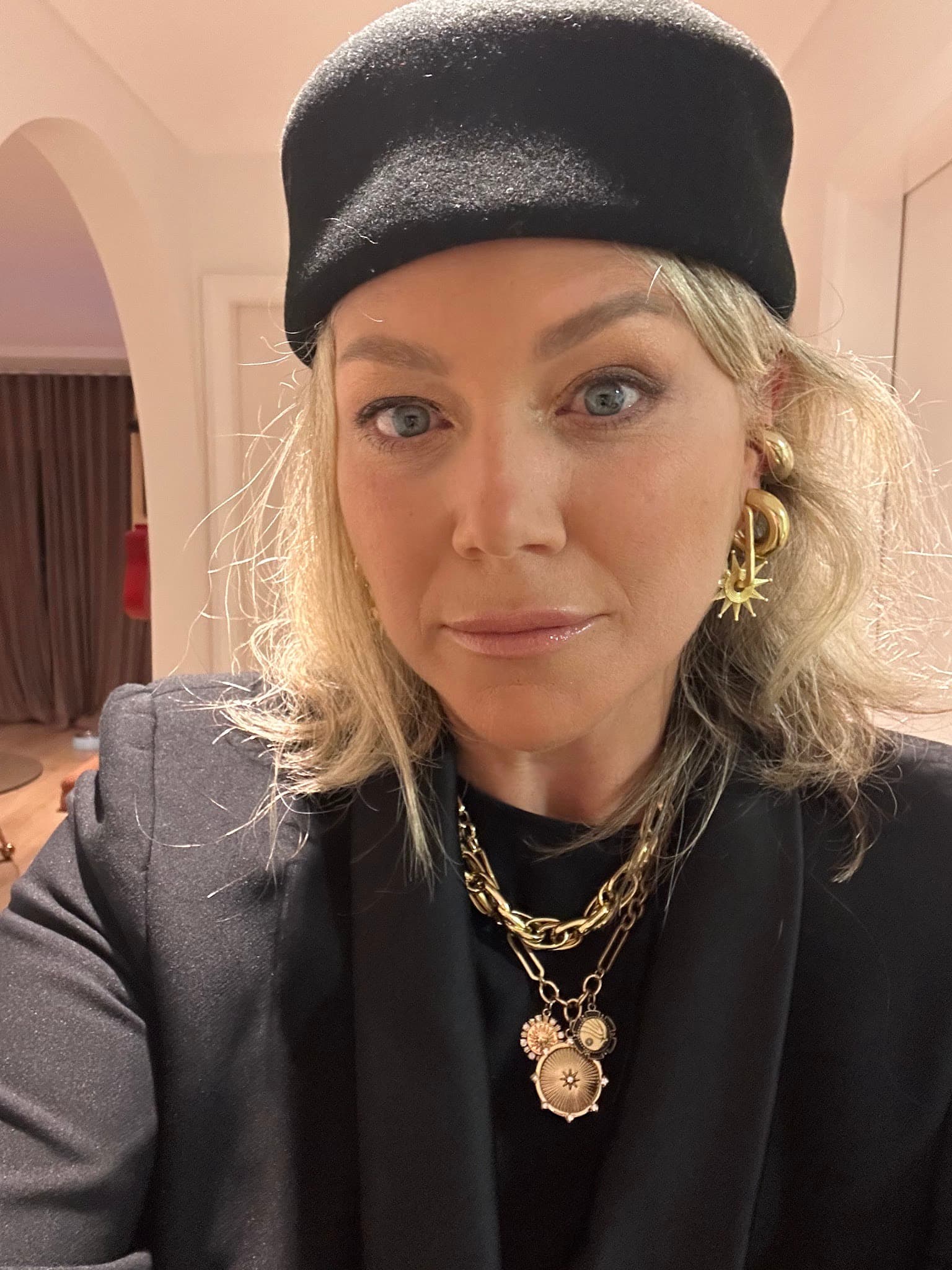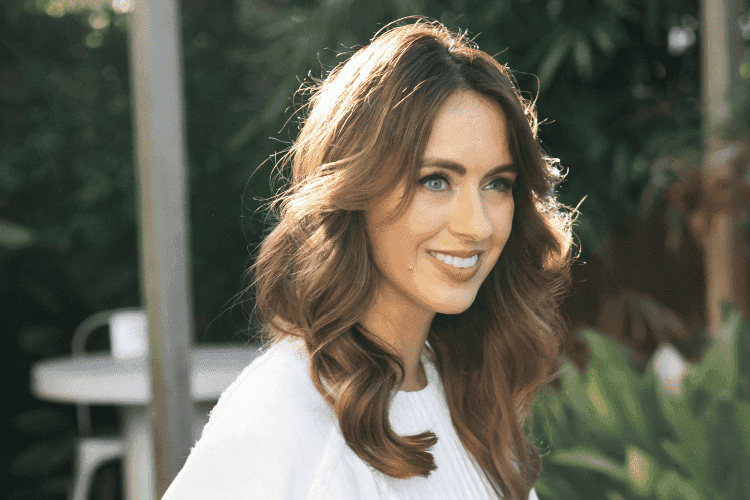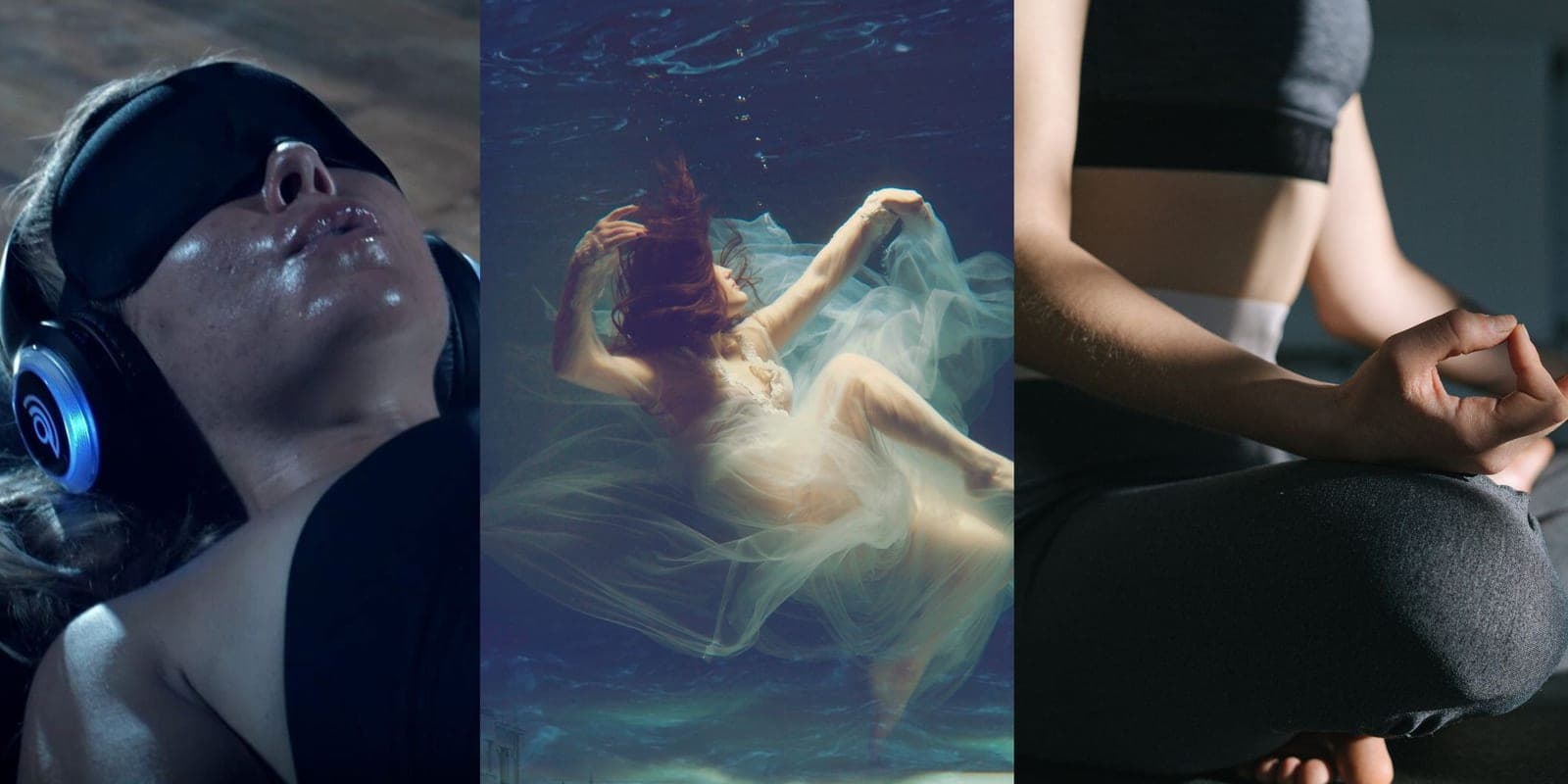
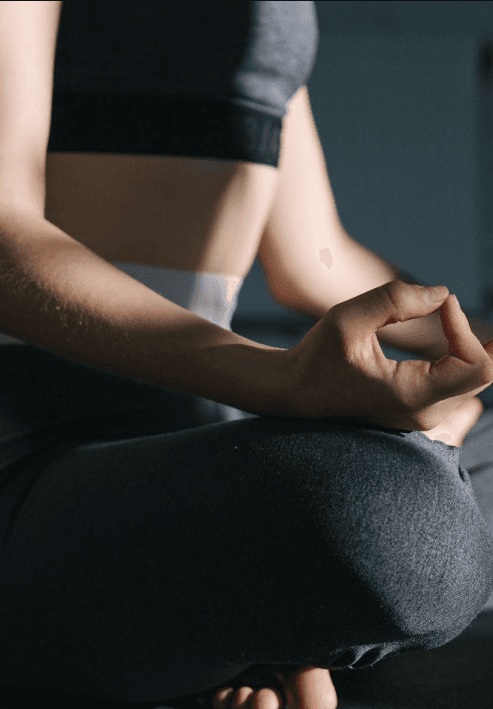
Breathwork expert Brooke Stevenson in session.
Breathwork is having a real moment. But is it worth the hype, or is it just wellness theatre with a good soundtrack? We asked our Beauticate Collective wellness expert Brooke Stevenson to walk us through the science, the techniques and how to start safely.
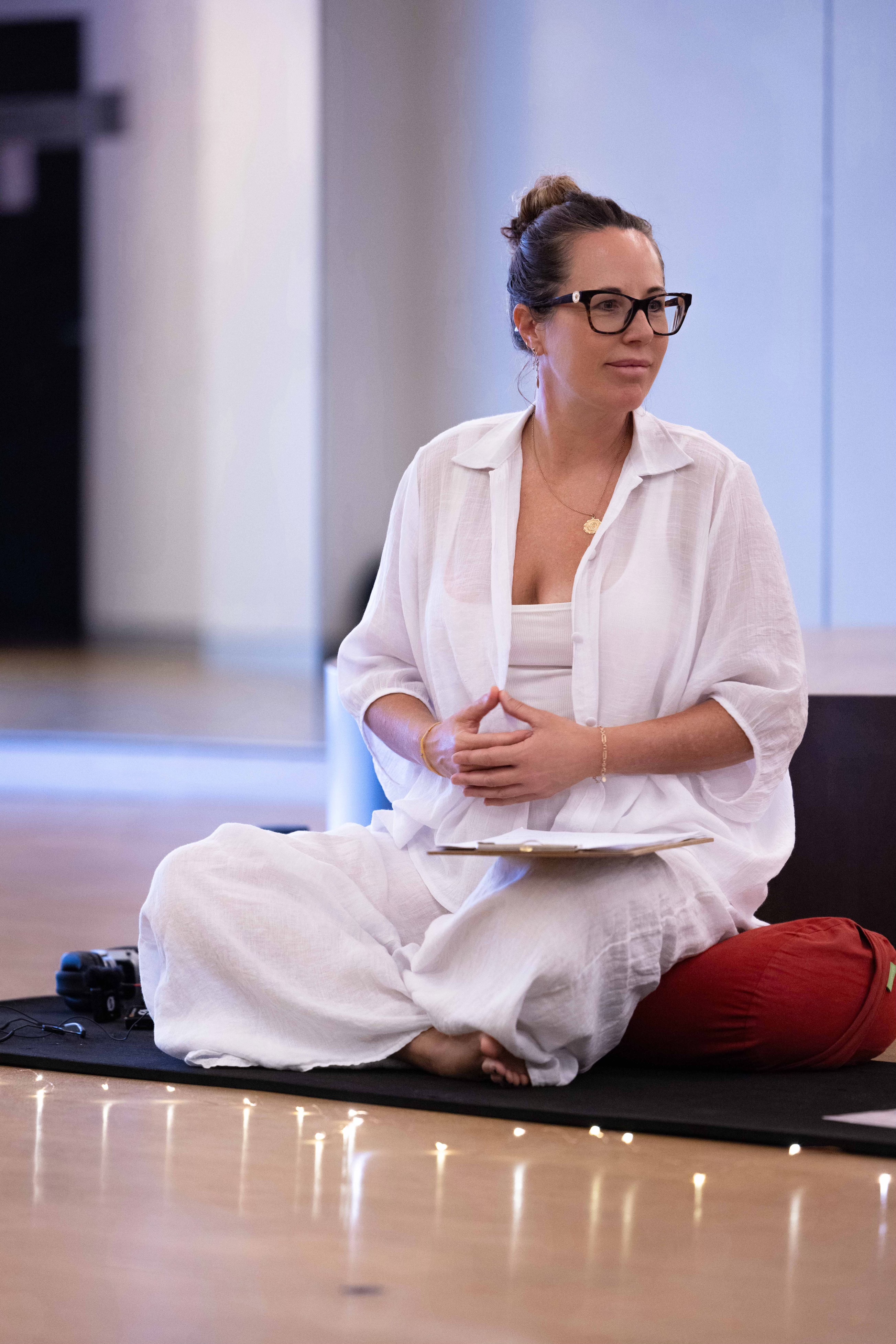
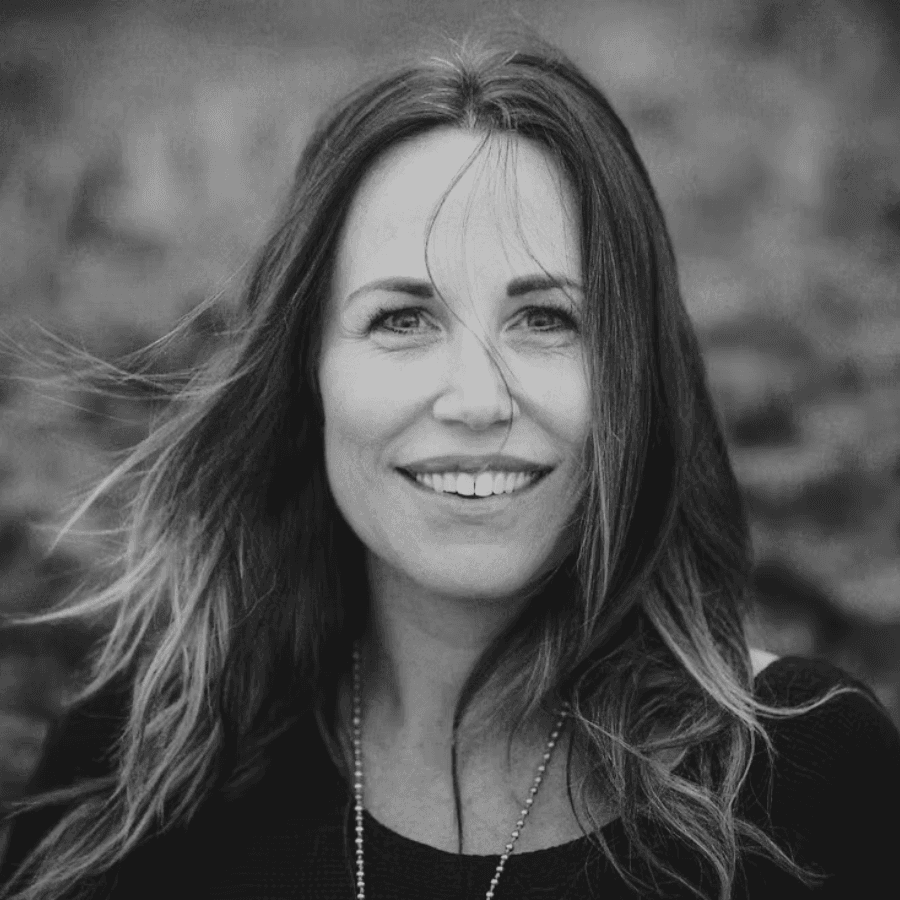
Brooke Stevenson, founder of Luxe Wellness and Beauticate Collective breathwork expert.
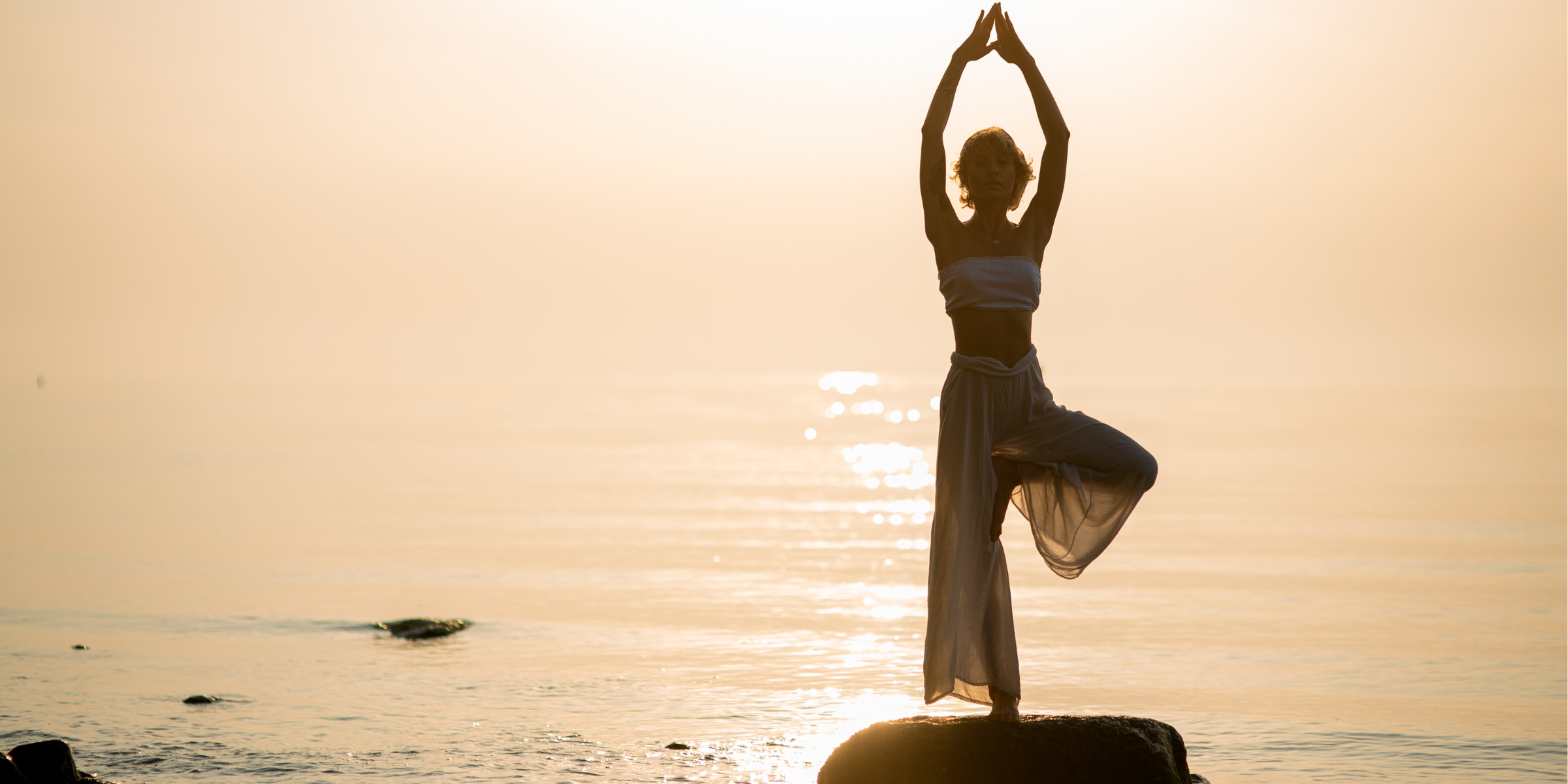
Breathwork begins where movement meets stillness - learning to use your breath as a tool, not just a reflex.
What Is Breathwork Actually Doing to Your Body?
The short version. Your breath is one of the only parts of your nervous system you can control on purpose, and you can use it to dial yourself up or down.
Brooke splits it into two camps. "I think of breathwork in two categories," she says. "Sympathetic, activating techniques use faster-paced breath to stimulate the body quickly. Parasympathetic, calming techniques slow everything down, typically through longer, slower breaths with extended exhales."
Both do their work through the same channel. The vagus nerve. It is the longest nerve in the body, running from the brainstem through the heart, lungs and gut, and it is essentially the main cable of your rest-and-digest system.
Here is where it gets convincing. A 2025 review of thirty studies on slow, diaphragmatic breathing found it lowers cortisol and improves vagal tone and emotional control, with effects that carry into how your body handles the next stressor. In practice that means breathing slowly at four to six breaths per minute reliably improves your heart rate variability, which is one of the cleanest markers we have of a resilient nervous system.
Activating breath works in the opposite direction, and on purpose. "It deliberately stimulates a stress response, which the brain then registers and regulates," Brooke explains. That controlled hit of stress is part of how it builds resilience and helps release stored tension or emotion.
Your breath is one of the only parts of your nervous system you can control on purpose - and you can use it to dial yourself up or down.
There is a gut angle too. The vagus nerve signals in both directions between the brain and the gut, which is part of why people notice their digestion shifting alongside the calm. If you have ever wondered why anxiety, gut issues and chronic pain tend to travel together, this is the nerve that connects them. Either way, activating or calming, you are changing your biochemistry. Oxygenating cells, improving circulation, supporting mental clarity.
The Main Breathwork Techniques, Explained
Not all breathwork feels the same, and it helps to know roughly where a technique sits before you try it.
On the activating end you have the fast, breath-holding or circular patterns. Think Wim Hof style breathing, holotropic and rebirthing. "They bring suppressed emotion or energy to the surface and create release," Brooke says. This is the camp that produces the big emotional moments you see online.
On the calming end you have the slower, extended-exhale techniques. Resonance breathing, box breathing and the 4-2-6 pattern all live here. Their job is to restore a sense of safety and settle the body.
Two beginner-friendly places to start. Box breathing is a steady square. Breathe in for four, hold for four, out for four, hold for four, and repeat. The 4-2-6 is even simpler and leans on the long exhale that does so much of the calming work. Breathe in for four, hold for two, out for six. The longer out-breath is the part that tells your nervous system it is safe to stand down.
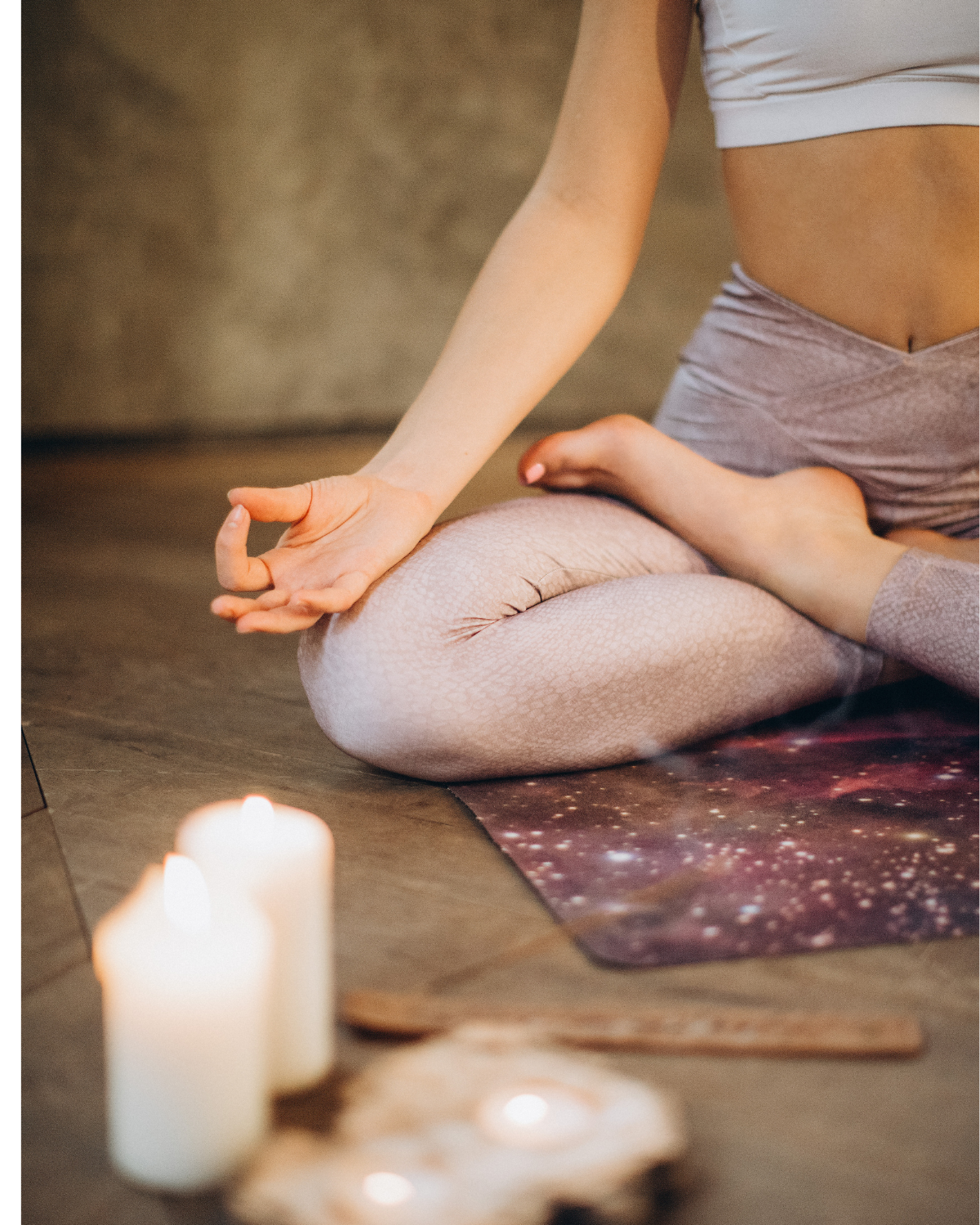
Setting the scene matters. Candles, quiet and a clear intention can turn a few minutes of breathing into a genuine ritual.
How Do You Know Which One to Try?
Before technique comes safety, and this is the part the Instagram clips tend to skip.
"A good facilitator always screens for contraindications first," Brooke says. Conditions like epilepsy, pregnancy, uncontrolled high blood pressure or cardiovascular disease, recent surgery, stroke, chronic respiratory issues or other relevant medical conditions all need a modified or gentler approach. If you have any of these, this is a check-with-your-GP-first situation, not a follow-along-on-YouTube one.
If there are no red flags, the choice comes down to you and what you are carrying. Brooke's guide is refreshingly practical. If you are chronically wired or anxious, either style can work, though activating breath can intensify anxiety in the short term, so it depends on whether you can be well coached through that moment. If you tend towards a strong freeze response, slower work is the safer starting point. And if you feel numb, stuck, or you are moving through grief or old trauma, a combination often works best, with proper integration support before and after.
That last point matters. "Activating breath can stir up emotions and stagnant energy before it releases," Brooke says, "which is exactly why it's useful." Translation. Sometimes it gets bigger before it gets better, and you want a good facilitator holding the space when it does.
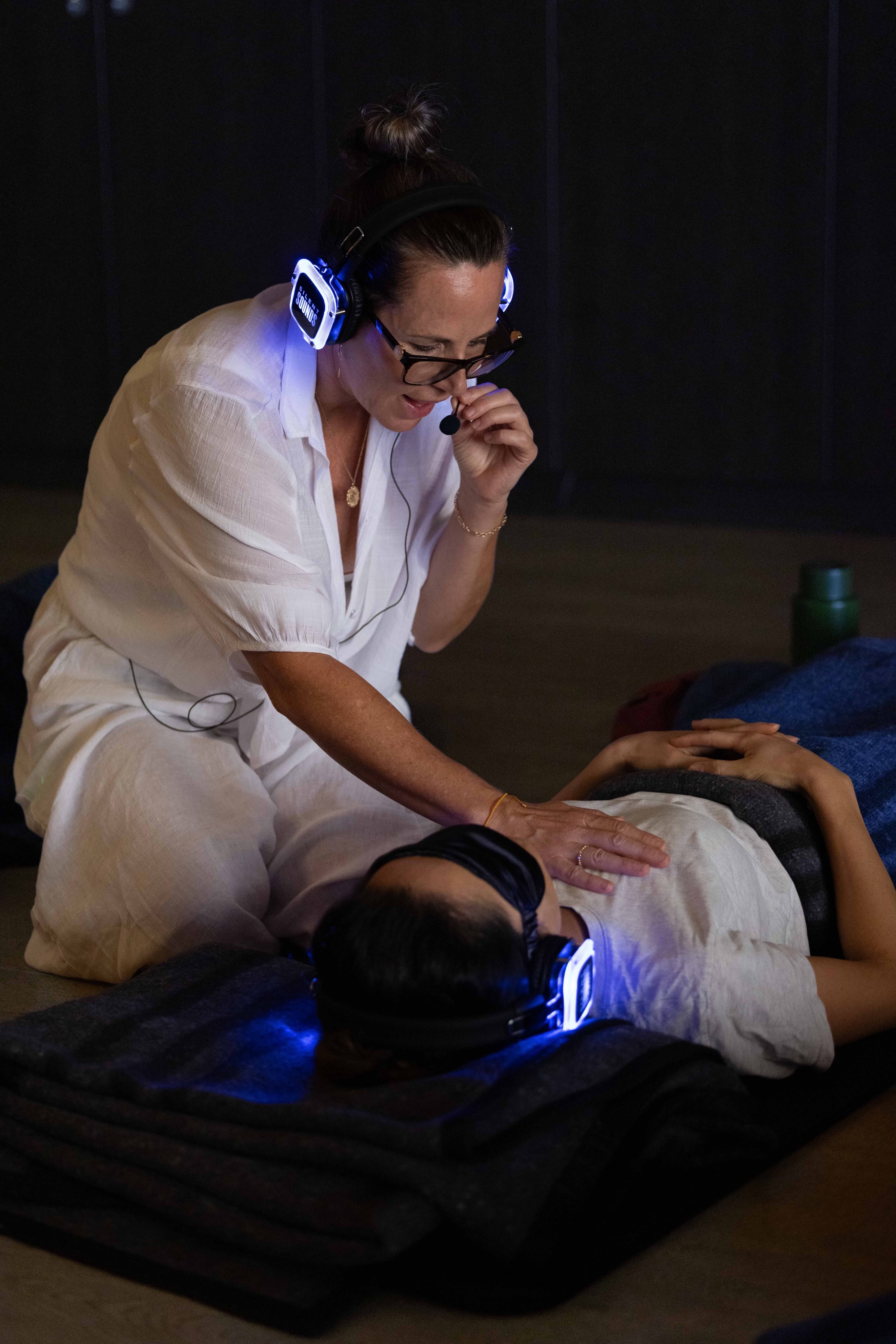
Brooke Stevenson in session - guided breathwork is about being held through whatever comes up.
What Would You Say to a Sceptic?
Good, says Brooke. Stay sceptical. "Healthy scepticism is good. I'd encourage anyone to research the wellness trends they come across."
Her answer to the doubters is not a vibe, it is the data. Regulated breath measurably lowers cortisol and improves vagal tone, with effects that carry into your next stressful moment. That is physiology you can point to.
Where it gets more interesting is when you layer in visualisation and affirmation. UCL brain imaging research found that imagined and perceived experiences activate similar patterns in the visual cortex, and that the brain does not draw a hard line between what is real and what is imagined. It is a difference of intensity, not category. Your brain responds to the feeling you generate, not to whether that feeling is technically "real", which is exactly how you can recreate the physiology of a calmer, more grounded state on demand.
This is also where neuroplasticity comes in. Repeated visualisation and affirmation engage the brain's capacity to reorganise itself, activating the regions tied to emotional regulation and self-processing. That is the basis for reframing old patterns and slowly rewiring how your subconscious defaults to responding.
Brooke is careful to draw the line between what is settled and what is still emerging. The cortisol and vagal tone research is solid. The mind-body work popularised by figures like Dr Joe Dispenza, who links thought and emotion to how genes express themselves through epigenetics, is compelling and increasingly studied, but still evolving. Worth knowing, worth watching, not yet gospel.
Add one more layer and the picture is complete. Sound. Music reliably triggers dopamine, and emotionally moving music triggers endorphin release too, your body's natural reward and pain-relief chemistry. "So breath regulates the nervous system, visualisation and affirmation redirect the feeling state, and sound adds chemical release," Brooke says. That combination is why a full session can shift people in ways talking alone often does not.
Breath regulates the nervous system, visualisation redirects the feeling state, and sound adds chemical release.
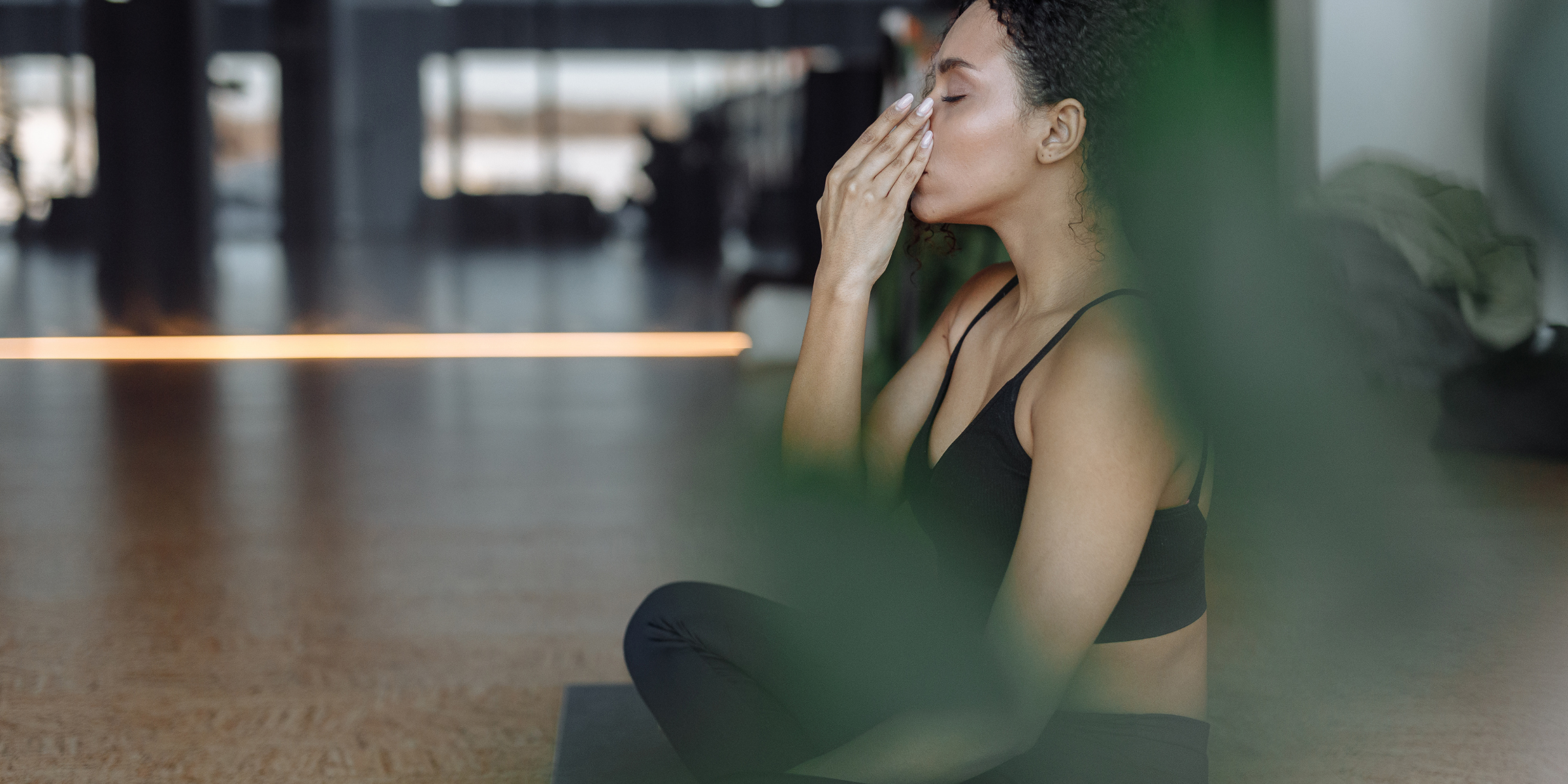
Alternate nostril breathing is one of the oldest calming techniques - and one of the simplest ways to feel what regulated breath actually does.
How to Start Breathwork at Home, Safely
Ready to try it. Here is Brooke's advice, distilled.
Go in with a question and an intention. "What are you actually wanting to work on, and what do you want from the session?" It is the first thing Brooke asks in her own group classes, where participants write their intention down before anyone takes a breath. Naming it gives the session somewhere to go.
Remember you are always in control. This is the reassurance most beginners need. "You're always in control of your own breath. Speed it up to let feelings rise and release, or slow down if it's too much. It's not done to you or controlled by anyone else. It's a dial you're holding the whole time."
You're always in control of your own breath. It's not done to you or controlled by anyone else. It's a dial you're holding the whole time.
Listen to your body, especially online. For any unsupervised or app-led session, ease off the moment you need to. And if you have any of the contraindications above, check with your GP before you begin.
Start calming if you are unsure. If you cannot decide where to begin, the slow, extended-exhale techniques are the gentlest entry point. Box breathing or 4-2-6 for a few minutes is a low-stakes way to feel what regulated breath actually does before you go anywhere near the big activating work.
Want to try one right now? Brooke has a free guided breathwork session on YouTube. Grab your headphones, find a quiet spot, and press play.
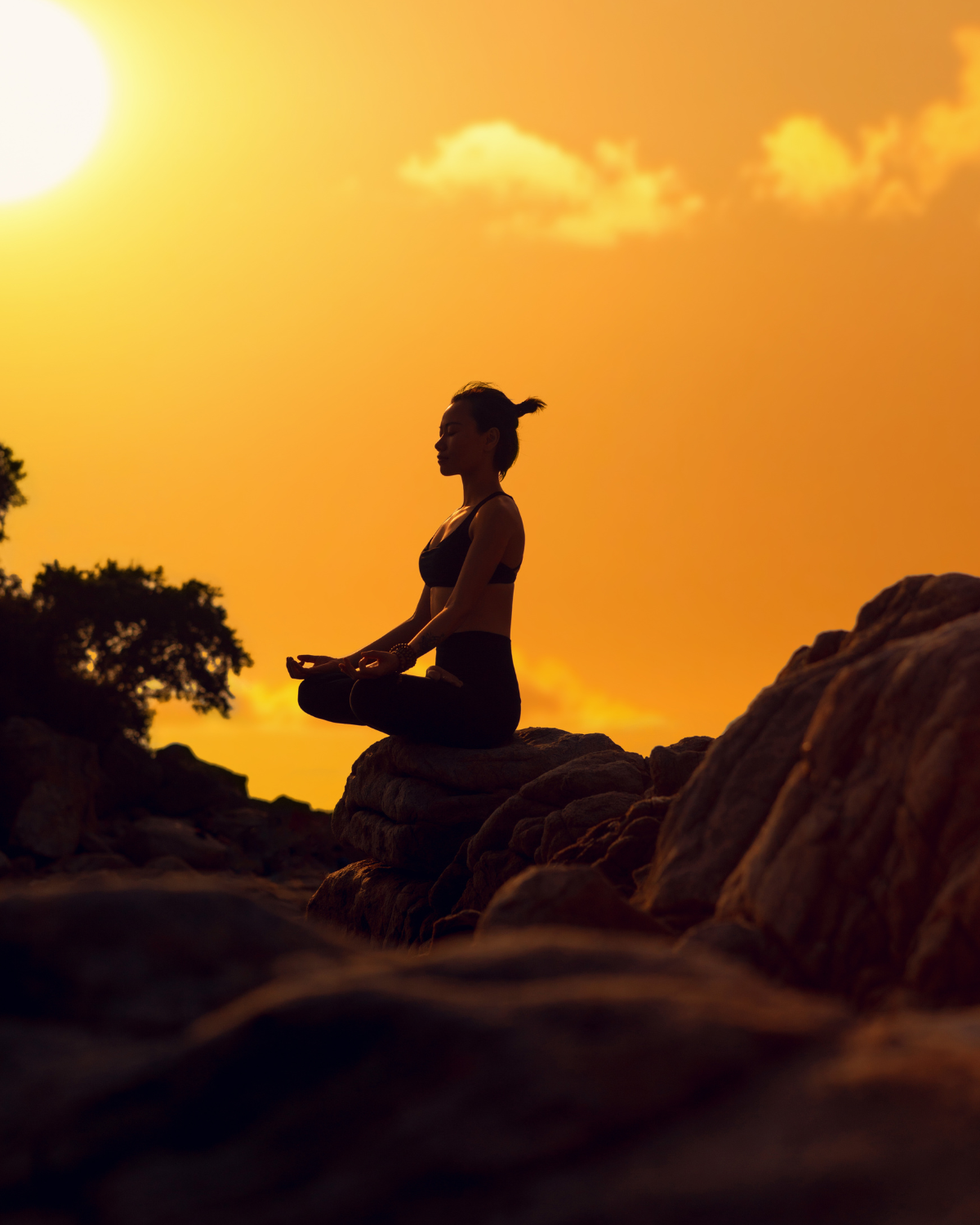
You do not need a studio or a facilitator to start. A quiet spot and a few minutes is enough.
The Beauticate Edit: Set the Scene Before You Breathe
A little atmosphere goes a long way. Before a slow breathing practice, we like to reset the space so the ritual signals to the body that it is time to come down.
We start with a few mists of the Subtle Energies Aura Protection Body Mist. It is alcohol-free, quietly grounding, and made for exactly this - cleansing your personal space before or after meditation.

 In our shop
Subtle Energies
Aura Protection Body Mist
From $44
Then we light a stick of the Maison Balzac La Rose Incense, a soft, woody rose that smells like a house filled with garden cuttings, resting in the sculptural Maison Balzac Marble Hand holder. A quiet sensory cue that you are shifting gears. (If you are building your own sacred rituals for burnout recovery, this is a beautiful place to start.)


Why We Love 9D Breathwork
If reading this has you curious about going deeper, this is where we tell you about our favourite way to actually do it. 9D breathwork.
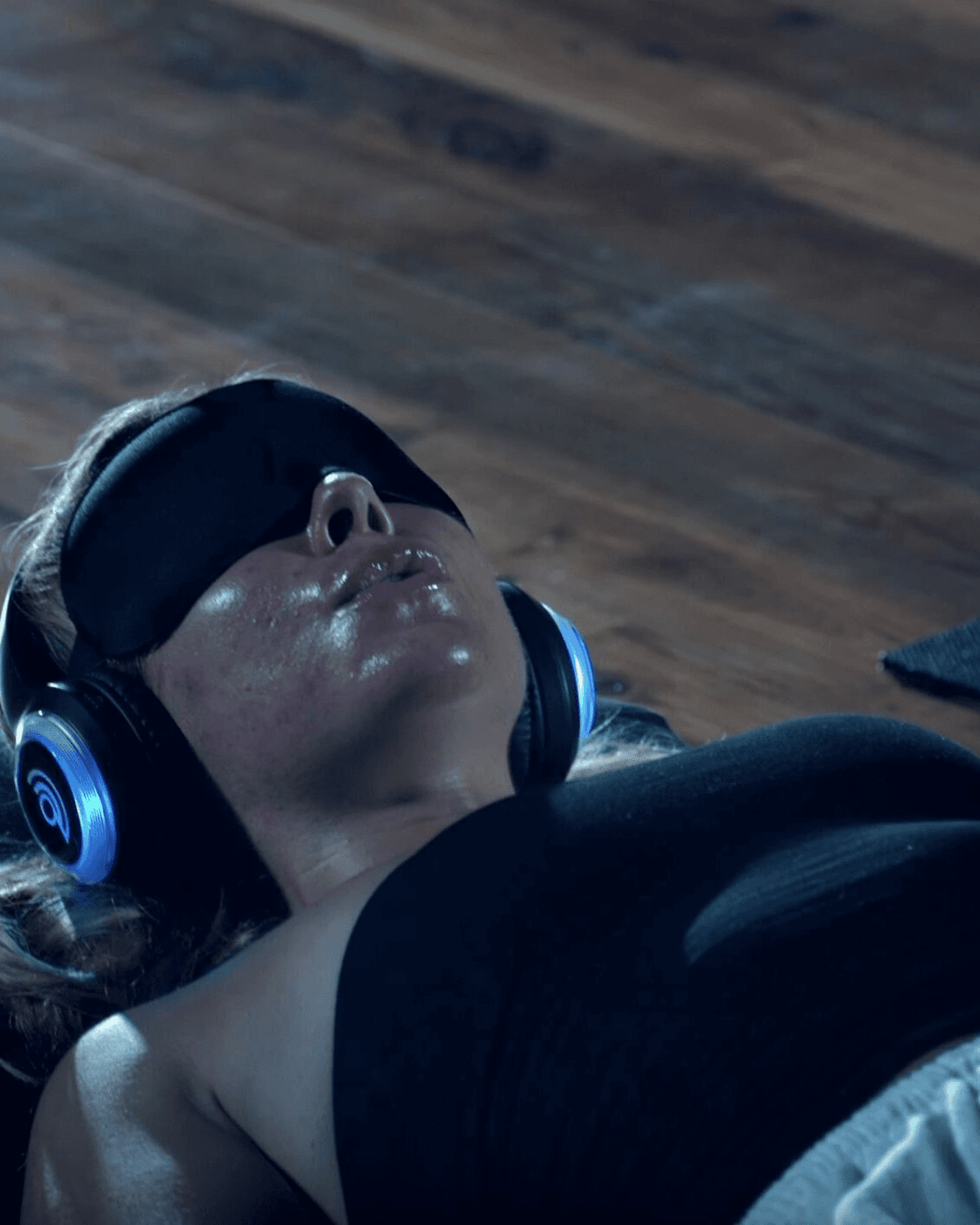
Think of 9D as breathwork with the volume turned up. Created by Brian Kelly, it layers conscious, connected breathing over an immersive soundscape. Nine dimensions of audio, in fact, from cinematic music and binaural beats to solfeggio frequencies, guided visualisation and subtle subliminal prompts. You lie down, put on headphones, and for the length of the session you are inside your own private sound bubble while your breath and the audio guide you through activation, release and integration. It is exactly the combination Brooke described earlier. Breath to regulate the nervous system, visualisation to redirect the feeling state, and sound to add the chemical release. All in one journey.
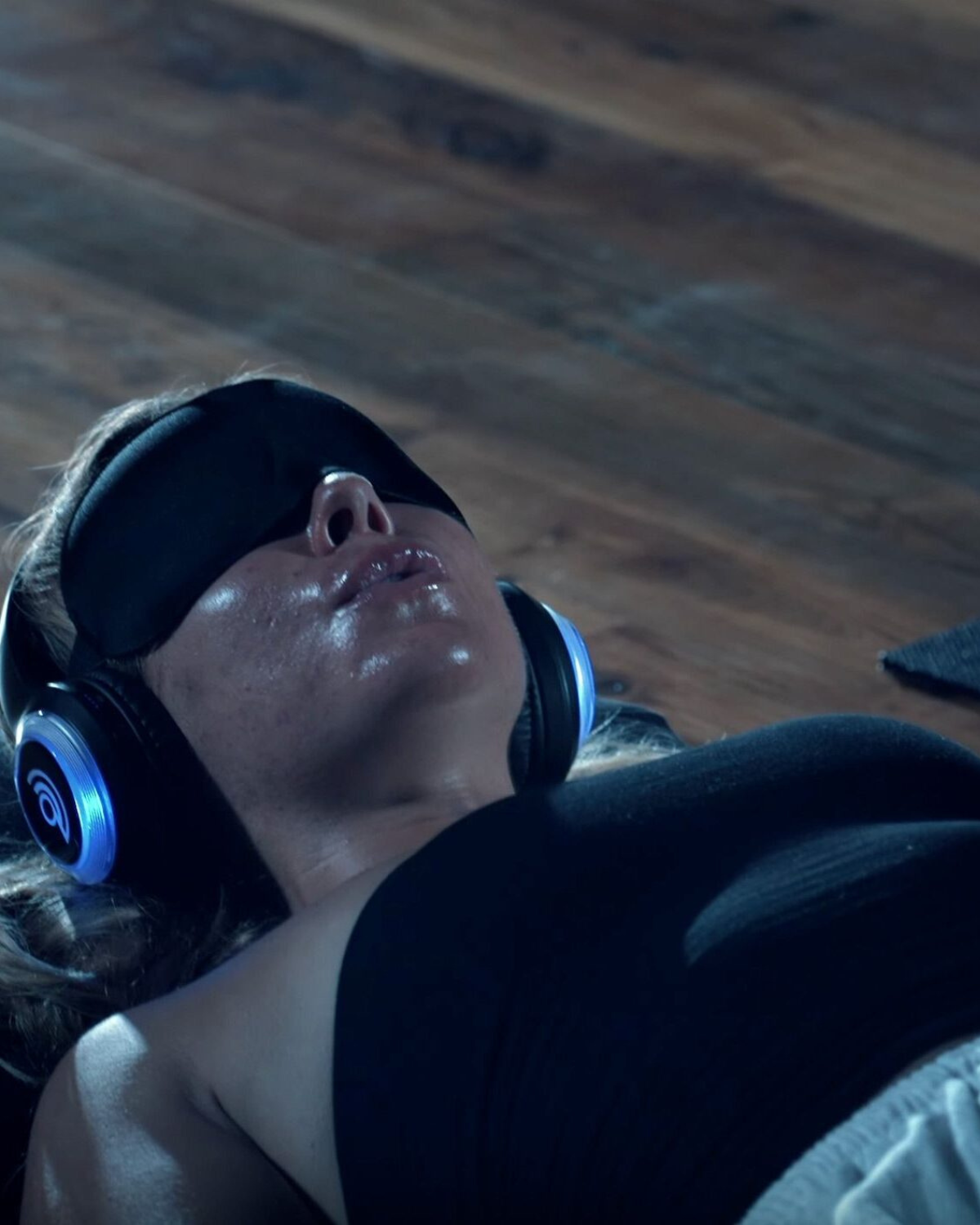
Inside a 9D session - headphones, eye mask, and nowhere to be but here.
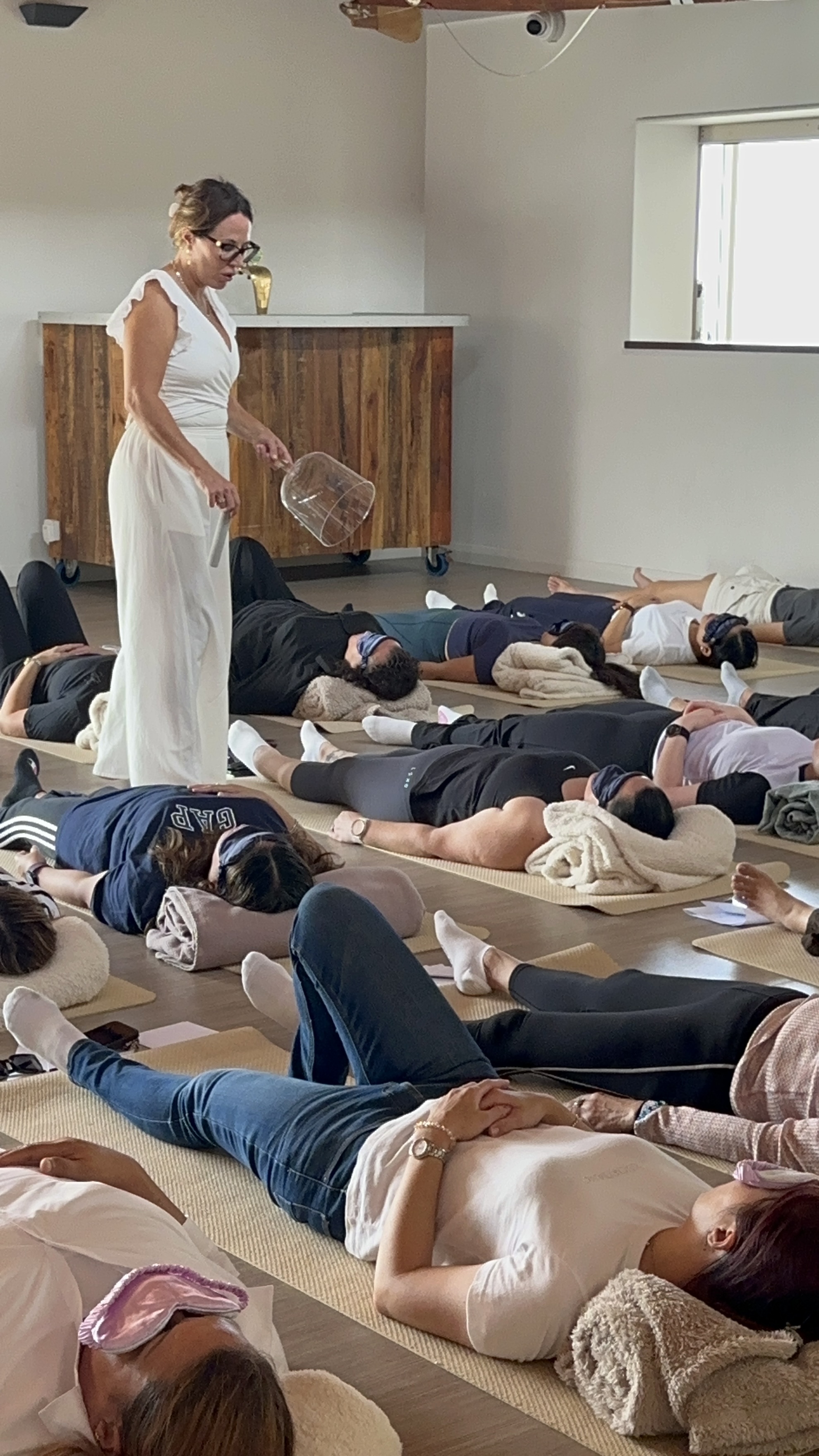
Brooke leading a group 9D breathwork session - every person goes on their own journey, together.
Brooke facilitates 9D breathwork and sound healing in Sydney, both as intimate one-on-one sessions and monthly group events. Sigourney is a regular, and honestly, it has become one of the non-negotiables in her wellness calendar. There is something about being guided, held and completely undistracted that lets you drop in far deeper than you can on your own.
The best news for everyone outside Sydney. Brooke now runs online sessions too, so you can do the full immersive experience with a good pair of headphones from the comfort of your own home. Same soundscape, same guidance, your own space.
You can book an in-person or online session with Brooke at luxewellness.com.au. If you are pregnant, or you have a cardiovascular condition, epilepsy, uncontrolled blood pressure, a respiratory disorder or a significant trauma history, check with your GP first. Brooke will always screen and modify before you begin.
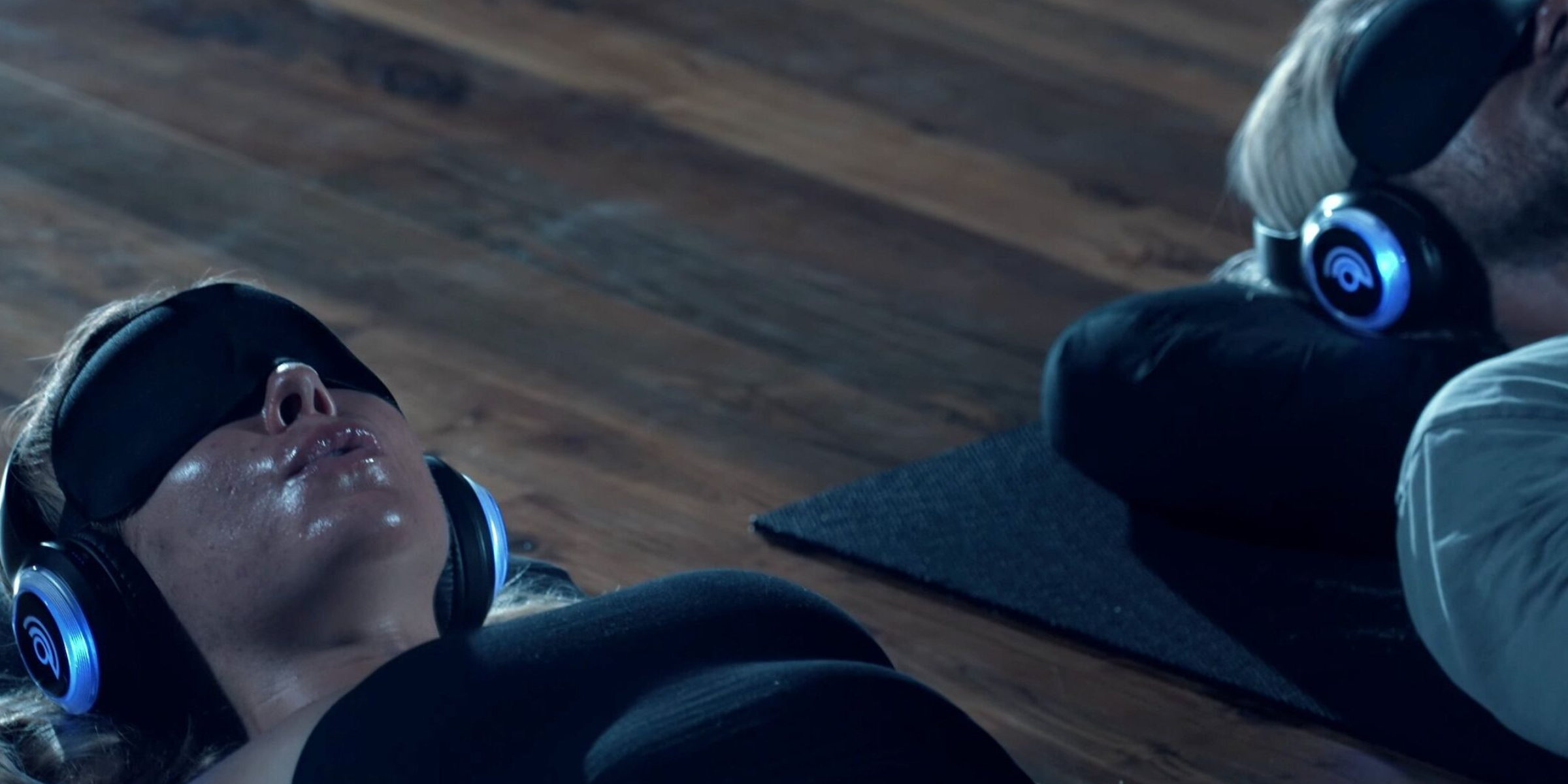
A Luxe Wellness group 9D breathwork session - everyone goes on their own journey, together.
Breathwork is not going to fix everything, and Brooke would be the last person to tell you it will. But the evidence that your breath can measurably steady your nervous system is real, it is growing, and it costs you nothing to try. Go in curious. Bring a question. Hold the dial gently.
If you have ever wondered what it feels like to truly drop into meditation, breathwork might just be the doorway.
Brooke Stevenson is the founder of Luxe Wellness and a member of the Beauticate Collective. You can find her at luxewellness.com.au and on Instagram at @luxewellnesscollective.
This article is for general information and is not a substitute for medical advice. If you have any of the health conditions mentioned above, please speak to your GP before starting breathwork.
Sources and further reading: