

Beauticate's Wellness Editor Camilla Thompson shares the three technologies she'd keep if she could only choose three - and the common mistake people make before they're ready.
Here's something the wellness technology industry doesn't often say out loud: most of it is trying to replicate what nature already does for free.
Infrared light. Heat exposure. Cold immersion. Circadian rhythm regulation. Grounding.
These aren't new biohacking discoveries - they're ancient biological inputs that our bodies were designed to receive and that modern life has largely removed. The technology exists to fill that gap and, often, it does so remarkably well.
But before you invest in a single device, the most powerful thing you can do is get yourself outside. Morning light. Bare feet on grass. Ocean swims. Movement in fresh air. Not as a warm-up act to the real protocol, but as the foundation of it.
The research on nature exposure for cortisol regulation, sleep quality, immune function and mental health is as strong as almost anything in the biohacking space. It's just harder to sell.
When you're getting those inputs consistently, you'll get significantly more out of the technology. It amplifies what nature starts.
Something else I've come to believe is that the most valuable wellness technologies aren't just tools - they're rituals. Before investing in anything, I ask myself a simple question: will this become a meaningful part of my day? A device you use consistently as an intentional pause, a moment of stillness, breath or recovery, will always outperform one that sits on a shelf waiting for the perfect moment.
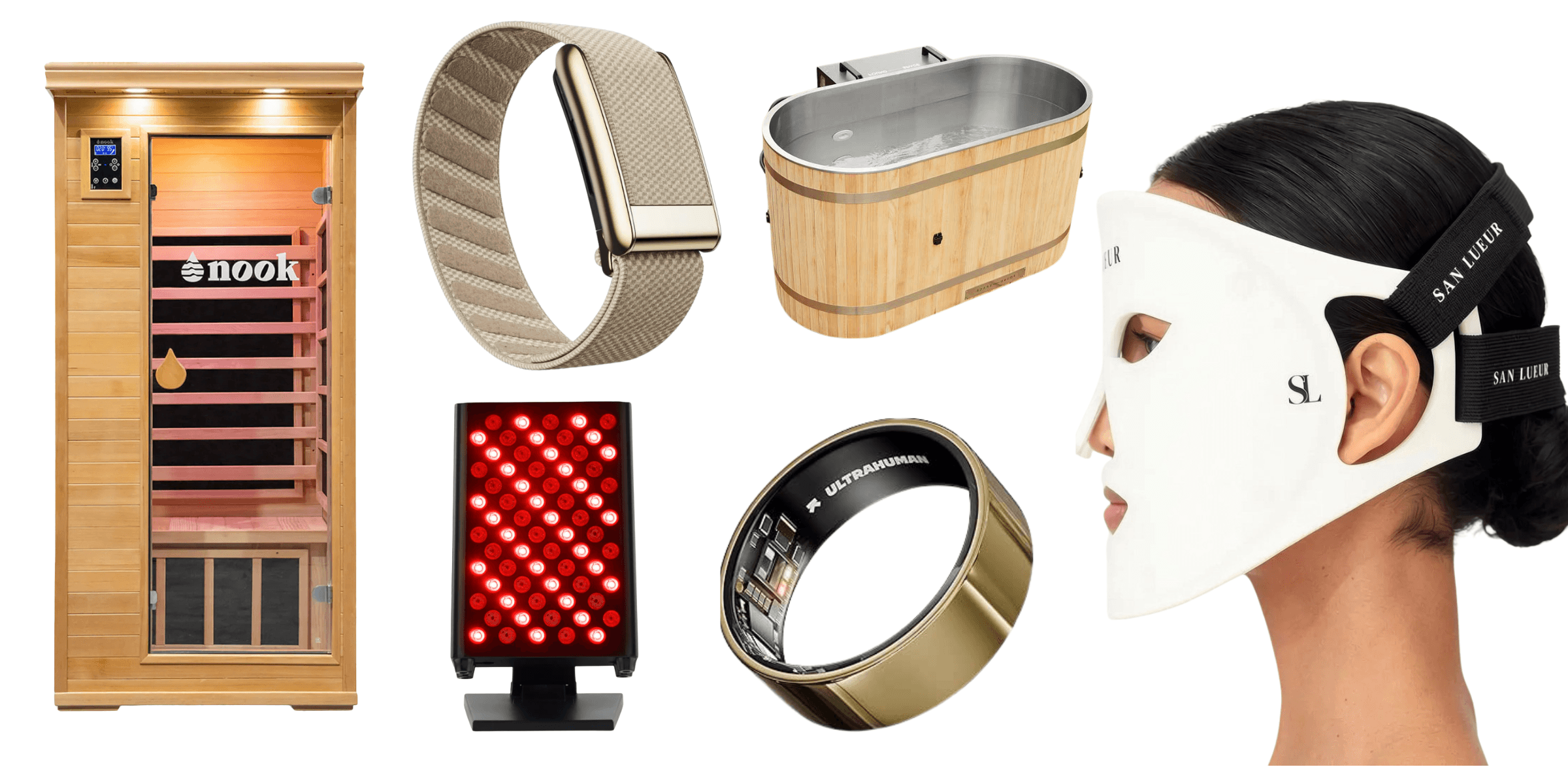
With that in mind, if I could only keep three wellness technologies, they would be my infrared sauna, red light therapy device and a wearable tracker.

Infrared Sauna
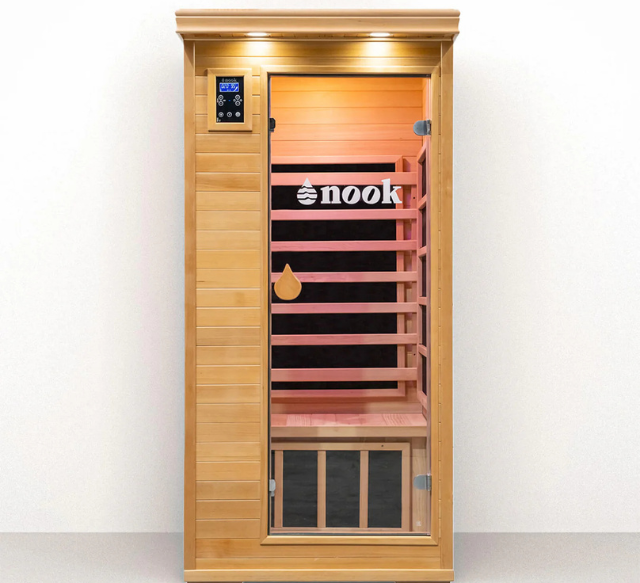
My sauna gets used every second day and has become one of my non-negotiables. It suits relaxation, recovery and downtime. It's one of the few wellness technologies with a substantial body of research behind it, including the landmark Finnish sauna studies, which found regular sauna use was associated with a significantly reduced risk of cardiovascular disease and all-cause mortality.
We're talking about a technology that may genuinely support a longer, healthier life. The fact that you feel incredible afterwards is simply an added bonus.
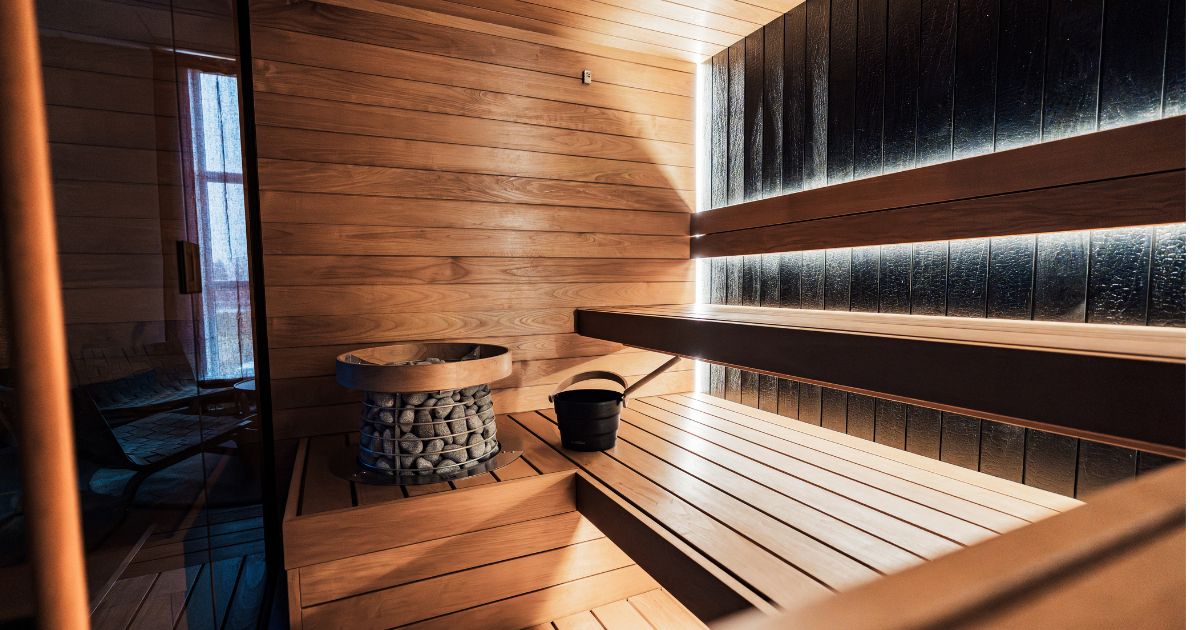
Beyond longevity, I love saunas for women because they create a dedicated space to slow down. Many of us spend our days in constant output mode - working, caregiving, managing households and looking after everyone else. Twenty minutes in a sauna becomes less about the heat and more about creating space to pause, breathe and reconnect.
If you don't have a home sauna, booking into a dedicated infrared sauna studio is a great starting point and worth doing before investing in your own. If you're ready for home use, Clearlight and FoundSpace make some of the most considered options available. For a more accessible entry point, a portable infrared dome delivers many of the same benefits and can be packed away when not in use.
 shop from brand
Nook
Nook Core 1 Person Infrared Sauna
$2,499
Red Light Therapy
My red light therapy device would be a close second. It's simple, accessible and easy to integrate into daily life. The research around skin health, recovery, inflammation and mitochondrial function continues to grow, making it one of the more versatile wellness tools available.
My preference is a full-body panel over a mask because it provides greater coverage and higher irradiance. BON CHARGE makes full-panel options I'd recommend without hesitation and has been transparent about its technology in a market that isn't always.
What I love most about red light therapy is that it gives you permission to stop. Taking 10 to 15 minutes to sit in front of the panel while you breathe, meditate, journal or listen to a podcast isn't a luxury - it's a gift to yourself. The therapy and the stillness work together.
In a world that rewards constant productivity, building a daily practice that asks nothing of you except to be present feels quietly radical.
I also hear from many women navigating perimenopause and menopause who are incorporating red light therapy into a broader toolkit to support recovery, energy, sleep and skin health.
A Sleep Tracker - Used With Intention
The third spot would probably surprise people.
Despite my mixed feelings about wearables, I would still include a sleep tracker. Not because I think everyone should wear one forever, but because sleep remains one of the most important pillars of health, longevity and cognitive performance.
For women in particular, sleep trackers can provide fascinating insights into how sleep, recovery, heart rate variability and readiness fluctuate across different phases of the menstrual cycle, as well as during perimenopause and menopause. Many women are relieved to discover that lower energy, poorer sleep or reduced recovery at certain times of the month isn't a personal failing - it's physiology.
Personally, I prefer the user experience of WHOOP over Oura and have generally found the data aligns more closely with how I actually feel. One bonus with Oura is the airplane mode option, which I appreciate for anyone who prefers to reduce wireless exposure while they sleep, although it's worth knowing this may affect the accuracy of the data.
 shop from brand
Ultrahuman
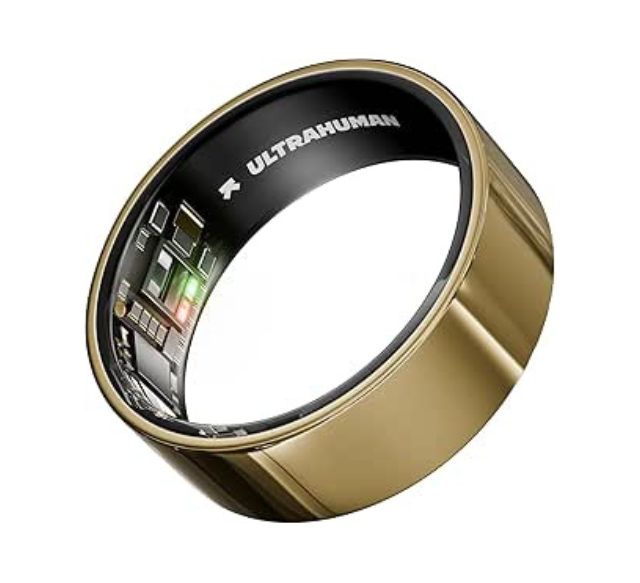
Ultrahuman Ring AIR
$599
There are also some interesting new players entering the market. Ultrahuman Ring Air has gained attention for offering many of the same sleep and recovery insights as Oura without an ongoing subscription fee. Hume Health's Hume Band takes a broader approach, combining sleep, recovery and body composition tracking into a single platform. While I haven't personally tested either yet, it's encouraging to see more innovation and competition in the wearable space.
One of the reasons I don't wear trackers continuously is that I've seen how easy it can be to become disconnected from your own intuition. Recently, I wore my Oura Ring for a week and found myself paying far more attention to my deep sleep score than I'd like to admit. When it was low, I worried about it. When it improved, I felt strangely accomplished. It was a useful reminder of how quickly we can become attached to the numbers.
There's even a term for this: orthosomnia - the pursuit of perfect sleep driven by wearable data, where the stress of achieving an ideal sleep score can ironically make sleep worse.
That said, I also believe wearables can genuinely transform people's relationship with alcohol. Seeing exactly how a glass of wine impacts your HRV, recovery score and sleep quality in black and white can achieve what good intentions alone rarely do.
For women especially, this kind of pattern recognition - understanding how alcohol, stress, your cycle, travel or late nights affect your sleep and recovery - is where trackers earn their place. Sometimes we just need to see it to believe it.
Technology should support self-awareness, not replace it.
What About Cold Therapy?

Cold therapy is one of the most bio-individual practices in the wellness space. What energises one person can dysregulate another. The key is understanding your own nervous system and working out what genuinely supports it rather than following a trend because someone on the internet swears by it.
What I do believe in is the concept of hormesis - the idea that controlled, short-term stress on the body triggers an adaptive response that makes us stronger and more adaptable. Cold exposure is one of the most accessible forms of this. So is heat.
The combination of the two - contrast therapy, moving between hot and cold - is where I think some of the most interesting benefits lie for circulation, recovery, mood and nervous system regulation.
I love my cold showers and ocean swims. But if I had to choose between a cold plunge and a sauna, I'd choose the sauna every time. The evidence base is stronger and, importantly, more people will actually use it consistently. The best protocol is always the one you'll actually do.
What I'd Pass On
Anything that promises miraculous results, rapid longevity gains or claims to "hack" your health without addressing the fundamentals.
The basics will always outperform the gadgets. Good sleep, movement, nutrition, stress management and connection remain the real needle movers.
Where to Start
My advice for anyone entering this space is simple: don't start with the technology. Start with the problem you're trying to solve.
Struggling with sleep? A wearable may help identify patterns.
Stressed and overwhelmed? A sauna or breathwork app might be a better investment.
Not moving enough? The best technology could simply be a good pair of walking shoes.
If I had to recommend one entry point for someone completely new to wellness technology, it would probably be a wearable tracker used for a short period of time. Not because the data is perfect, but because it can help connect the dots between your habits and your health. The goal isn't to wear it forever; it's to learn from it.
But before the tracker, before the sauna, before any of it, go outside. Get morning light in your eyes. Move your body in fresh air. Swim in the ocean if you can. Let your nervous system remember what it was designed for.
The technology works best when nature has already done its part.
Ultimately, the most valuable technology isn't the device itself. It's the awareness it creates - and sometimes the most powerful wellness technology of all is stepping outside, feeling the sun on your skin and reconnecting with the signals your body has been sending you all along.
Frequently Asked Questions
Q: Is an infrared sauna worth the investment? A: For regular users, yes. The research is strong, particularly the Finnish sauna studies linking regular use to reduced cardiovascular risk and lower all-cause mortality. If you're unsure, try a dedicated infrared sauna studio before buying. Clearlight and FoundSpace make well-regarded home options; a portable infrared dome is a more accessible entry point.
Q: What is the best red light therapy device for home use? A: Camilla Thompson recommends a full-body panel over a face mask for greater coverage and irradiance. BON CHARGE makes full-panel options she recommends without hesitation. The key is consistent daily use - even 10 to 15 minutes makes a meaningful difference for skin health, recovery and inflammation.
Q: Is the Oura Ring or WHOOP better for sleep tracking? A: Both have strengths. Camilla personally prefers WHOOP's user experience and finds the data aligns more closely with how she actually feels. Oura has the advantage of an airplane mode option, which reduces wireless exposure during sleep. Newer options like Ultrahuman Ring Air and Hume Health's Hume Band are also worth considering.
Q: Does cold therapy actually work? A: It depends on your nervous system. Cold therapy is highly bio-individual - what energises one person can dysregulate another. The concept of hormesis, where controlled stress triggers an adaptive response, is well-supported, and contrast therapy combining hot and cold has strong evidence for circulation, recovery and mood. If choosing between a cold plunge and a sauna, the evidence base for saunas is stronger.
Q: What wellness technology should I buy first? A: Start with the problem you're trying to solve, not the technology. Struggling with sleep? A wearable tracker used short-term can identify patterns. Stressed and overwhelmed? A sauna is a better investment. Not moving enough? A good pair of walking shoes will outperform any gadget.