
When hair is damaged (think: over-bleached ends, brittle breakage, or that dry, crunchy texture) your usual styling routine can make things worse. But with the right strategies and a few well-considered tools, you can strike a balance between using heat and still maintaining healthy hair. Beauticate writer Kristina has put her hair through hell and back after bleaching relentlessly. These are the tips and tricks she relied on to salvage her hair back to health.
Adjust Heat Settings Mid-Blow-Dry
Change the heat mid-blow-dry
Here's a habit most people don't know they should break: keeping the dryer on one heat setting the entire time. Damaged hair benefits from dynamic heat control, higher heat at the roots where hair is healthier and needs lift, then progressively lower as you move toward the ends, which are the oldest and most fragile.
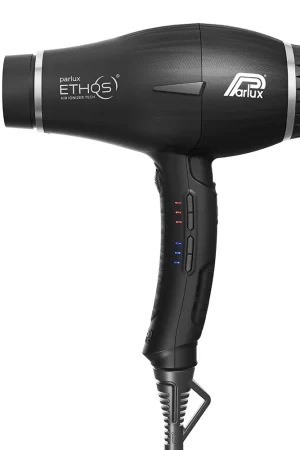
The GHD Helios is one of the few dryers that makes this practical because of its powerful yet controlled airflow. I'll often start with higher heat at the roots, then progressively lower as I move toward the mid-lengths, finishing with the cool shot for the ends. This creates a salon-like finish with less cumulative stress. Think of it as a "tapered" blow-dry: the intensity fades as you work your way down the hair shaft.
Most people assume breakage happens from heat, but a huge culprit is actually mechanical friction - from brushing, sleeping, even towel-drying.
Reduce Friction Breakage With Slip
Build in 'slip' to avoid friction breakage
Most people assume breakage happens from heat, but a huge culprit is actually mechanical friction, from brushing, sleeping, even towel-drying. The trick is to create "slip" before styling, so strands glide past each other instead of snagging.
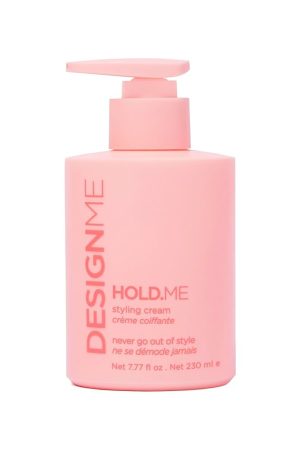
The Aveda Smooth Infusion Perfectly Sleek Heat Styling Cream works well for this because it doesn't just protect against heat; it also creates a smooth, cushioned layer that reduces snagging while you brush. I work it through damp hair before blow-drying, but I'll also apply a pea-sized amount on dry hair before brushing out waves or restyling. This prevents the "stretch and snap" sound that's all too common with fragile ends.
Detangle Without Snapping Strands
Pre-dry with your fingers to minimise tugging
When hair is soaking wet, it's at its weakest. Brushing or combing wet hair aggressively causes snapping. Instead, use your fingers to gently squeeze out excess water and detangle in the shower. Then, start drying and styling when hair is about 70 to 80 per cent dry.
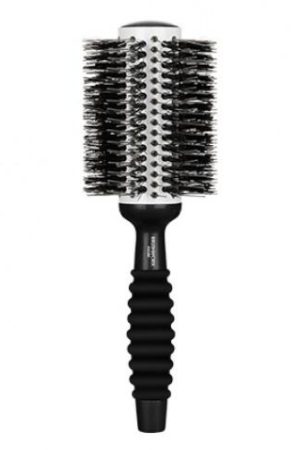
Once hair is less fragile, the Brushworx Smooth'n Curl Ceramic Porcupine Brush is great for styling without tugging. Its mixed boar and nylon bristles detangle gently and its ceramic barrel retains moderate heat to help set curls or waves without excessive pull.
Better Shampoo Technique for Fragile Hair
Upgrade your shampoo technique
We often treat shampoo like face wash (lathering from root to tip) but the ends of your hair don't need cleansing. They're fragile and porous, and cleansing them directly (especially with hotel shampoos or overly fragranced products) just makes things worse. Try this instead: only scrub the scalp. As you rinse, let the shampoo run down the lengths. It's enough to cleanse them without roughing them up.
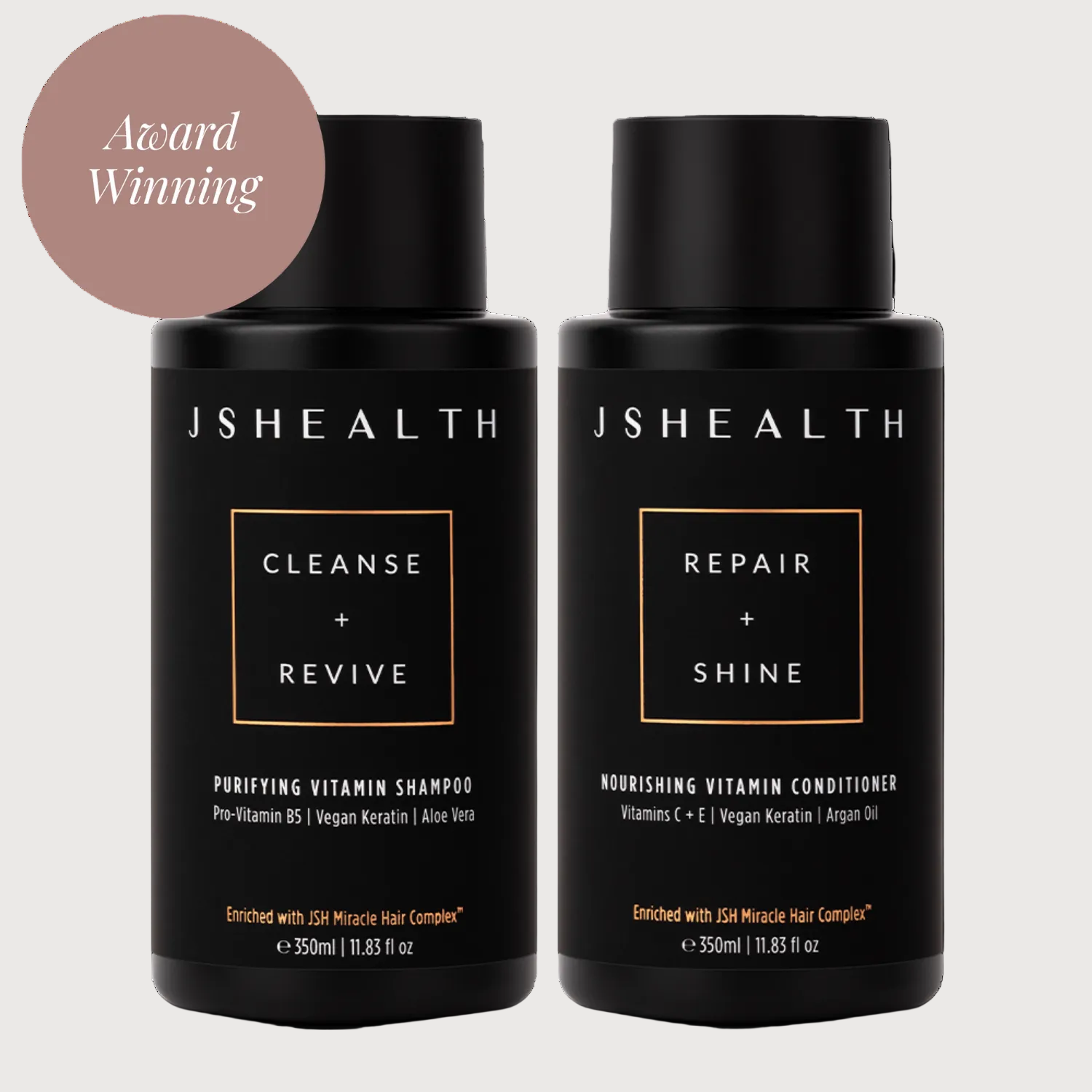
The JSHealth 2-Step Vitamin Haircare System is designed to nourish from inside out, so it hydrates while cleansing. I'll often emulsify the conditioner with a few drops of argan oil, then comb it through my hair and leave it on for 10 to 15 minutes like a mask. On long trips, I'll even use it overnight as a leave-in, put a shower cap on my hair and rinse in the morning. The point isn't just washing, it's using travel downtime to "stack" hydration, so your hair doesn't come home looking twice as fried.
Smarter Flat Iron Technique
Flat iron under your hair, not on top
Straighten in a U-shape motion rather than dragging the hair straight down. Instead of pulling the straightener directly toward the floor, guide it slightly inward at the ends so the hair curves under. This tiny adjustment distributes tension more evenly along the strand, which helps prevent stressed, blunt ends from flaring or splitting further, a common issue on damaged hair.
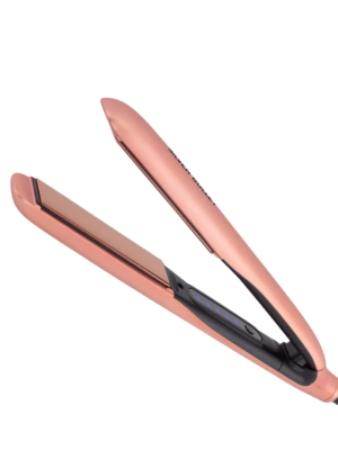
The Silver Bullet Titanium 230 Supernova makes this easier because of its surround heat technology: the warmth wraps around the plate edges, so even that subtle bend at the ends gets smoothed in one pass without going over it again. It's a small change, but it leaves damaged ends looking healthier and softer instead of brittle and stick-straight.
Story by Kristina Zhou